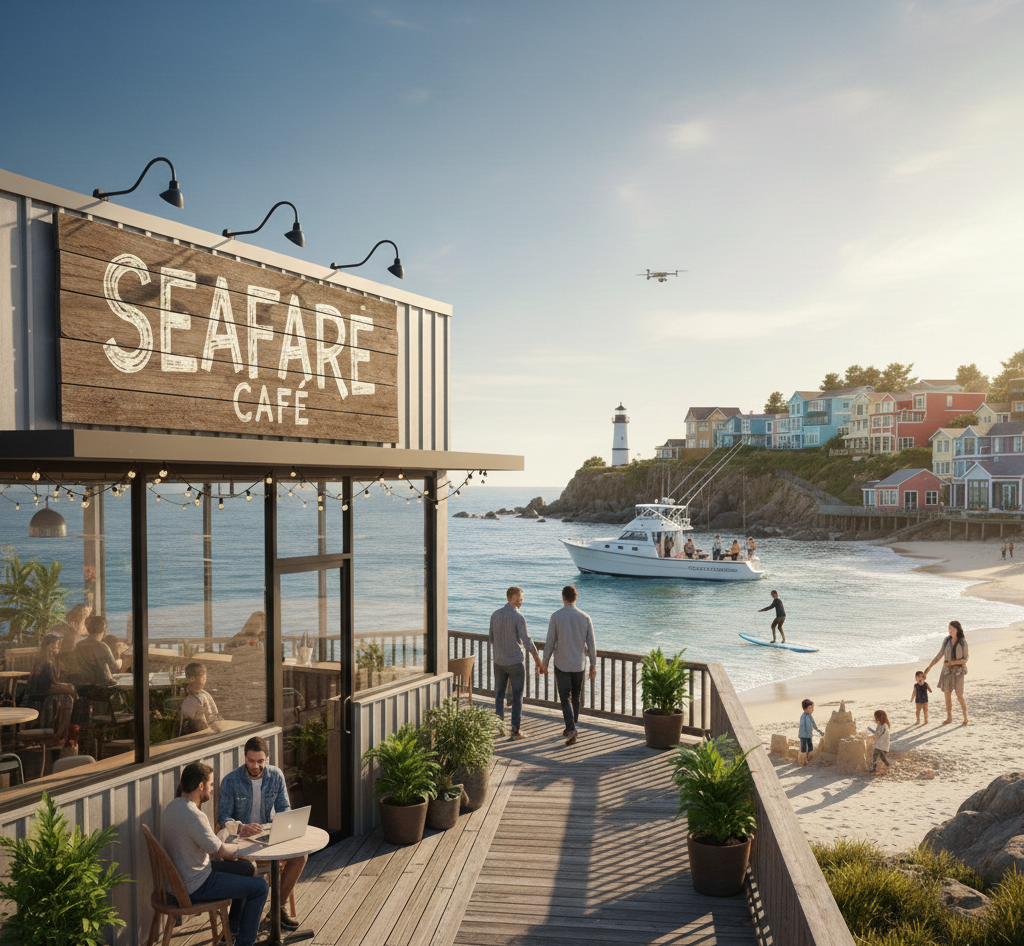
For any enterprise operating near the water, the coast is far more than a backdrop – it’s an identity, an advantage, and a challenge. Coastal regions attract tourists, inspire creativity, and foster tight-knit communities, but they also demand adaptability, resilience, and strategic thinking. Whether one is running a café on the boardwalk, a charter company, a boutique hotel, or a digital marketing agency dedicated to serving coastal enterprises, understanding the unique rhythm of seaside commerce is essential for long-term success.
- Coastal Market Insights & Trends
Local Economy Deep Dives
Coastal economies operate on a unique pulse often shaped by tourism, seasonal demand, and the natural ebb and flow of foot traffic. For many seaside businesses, peak seasons bring an influx of customers, but off-peak months require creativity and alternative revenue streams.
Understanding a specific region’s economic drivers is key. For example:
- Is the area dependent on tourism or supported by strong local spending?
- Do seasonal residents impact the busiest months?
- Are there upcoming infrastructure projects, new resorts, or community initiatives that might affect the market?
Analyzing these factors isn’t just valuable; it’s essential. Businesses should consider leveraging data from local Chambers of Commerce, tourism boards, economic development agencies, and even local government reports to gain a comprehensive understanding of their market’s unique pulse. Enterprises that study their local ecosystem can anticipate patterns, prepare inventory, adjust marketing spend, and manage staffing more effectively throughout the year.
Environmental & Regulatory Impact
Operating near the water comes with additional layers of regulation and responsibility. Many coastal businesses must consider:
- Zoning laws
- Environmental permits
- Conservation requirements
- Climate-related risks, such as erosion, flooding, or storm preparedness
Instead of viewing these as obstacles, successful coastal companies learn to adapt and integrate environmental awareness into their business model. Communicating compliance, sustainability efforts, and eco-friendly practices can even become a powerful differentiator in a brand’s story.
Tourism & Hospitality Focus
Tourism is the heartbeat of many coastal economies. The challenge is not just attracting visitors, but encouraging them to engage deeply with a brand.
Smart strategies include:
- Creating locally inspired packages or products
- Partnering with nearby attractions or businesses through joint promotions, cross-referrals, or bundled experiences can create compelling value propositions that extend reach.
- Offering experiences that extend beyond the peak season
- Implementing loyalty programs tailored to recurring vacationers
And when the crowds thin out? Businesses can use the off-season for targeted marketing campaigns, product development, and community engagement to maintain brand momentum.
- Branding & Marketing With a Coastal Edge
Authentic Coastal Storytelling
Coastal businesses have a unique advantage when it comes to storytelling – the scenery, culture, and lifestyle are already rich with emotion and visual appeal. A brand’s narrative should reflect this.
Sharing stories about:
- A business’s connection to the area
- Local traditions or marine culture
- The inspiration behind products or services
- The community served
Authenticity builds trust, and customers – especially travelers – are drawn to brands that feel genuinely rooted in their location.
Visual Marketing for Coastal Businesses
A coastal brand thrives visually. Whether posting on Instagram, building a website, or launching a digital ad campaign, visuals should evoke the feeling of being by the sea.
Consider:
- Natural light
- Breezy textures
- Ocean-inspired color palettes
- Captivating drone or shoreline photography
- Video footage of waves, boardwalks, or sunsets
Strong visuals make a brand instantly recognizable and emotionally engaging. For coastal businesses, this is a core marketing advantage that shouldn’t be overlooked.
- Pro Tip: Investing in professional drone photography or collaborating with local photographers who specialize in coastal landscapes can truly capture the magic and differentiate a brand’s visual identity.
Targeting Seasonal & Local Audiences
Coastal businesses often serve two very different audiences:
- Tourists and seasonal visitors, and
- Year-round locals.
A digital marketing strategy should reflect that duality.
- SEO: Optimizing for both “near me” searches and tourist-driven keywords.
- Social Media: Posting real-time updates during peak months and community-focused content during the off-season.
- Local Listings: Keeping Google Business Profile – and other directory listings – up to date with hours, photos, menus, and reviews.
- Email Campaigns: Segmenting lists into locals vs. visitors for more personalized messaging.
This tailored approach ensures relevance regardless of the time of year.
- Operational Excellence & Sustainability
Supply Chain Resilience
Coastal or island environments often face logistical challenges – from longer delivery times to seasonal shortages. Preparing for these fluctuations helps keep operations smooth even during unpredictable periods.
Key strategies include:
- Building strong relationships with multiple suppliers
- Keeping seasonal inventory forecasts data-driven
- Maintaining backstock where feasible
- Using technology to track demand patterns
A resilient supply chain ultimately protects a brand’s reliability.
Sustainable Business Practices
Customers who visit the coast often care deeply about its preservation. Demonstrating a commitment to sustainability builds goodwill and strengthens a brand.
Practical steps include:
- Reducing waste and single-use materials
- Choosing eco-friendly packaging
- Supporting local conservation programs
- Implementing energy-efficient operations
- Participating in beach cleanups or donating to marine causes
Sustainability isn’t just environmentally responsible – it’s smart business stewardship.
Talent Acquisition & Retention
The coastal labor market can be seasonal or highly specialized. Successful businesses prioritize creating a positive workplace culture that encourages staff to stay long-term.
Consider:
- Offering seasonal incentives or flexible schedules
- Investing in professional development
- Building a sense of community among employees
- Highlighting the perks of working by the sea
When employees feel valued and connected, retention becomes easier and customer experience improves.
Conclusion
Navigating the unique currents of coastal commerce requires foresight, adaptability, and a deep appreciation for the environment. By embracing these strategies – from understanding local economies to championing sustainability and crafting a compelling coastal brand – businesses can not only survive but truly thrive by the sea. What unique challenges or opportunities do coastal businesses face? Share insights and questions in the comments section and schedule a free 20-minute call with us for more strategies to ride every wave with confidence!