Why Hyper-Personalization Is the Future of Customer Experience
Personalization was once a competitive advantage. Today, it’s the minimum expectation.
In a crowded digital marketplace, adding a customer’s first name to an email or segmenting audiences by demographics is no longer enough. Business owners are facing a critical shift: customers now expect hyper-personalized experiences delivered seamlessly across every touchpoint.
Hyper-personalization and customer experience (CX) are no longer trends – they are core components of a modern digital marketing strategy. Businesses that fail to adapt risk losing relevance, loyalty, and long-term growth opportunities.
From Traditional Personalization to Hyper-Personalized Customer Journeys
Traditional personalization relies on broad segments and historical data. While useful, it often treats customers as part of a group rather than as individuals.
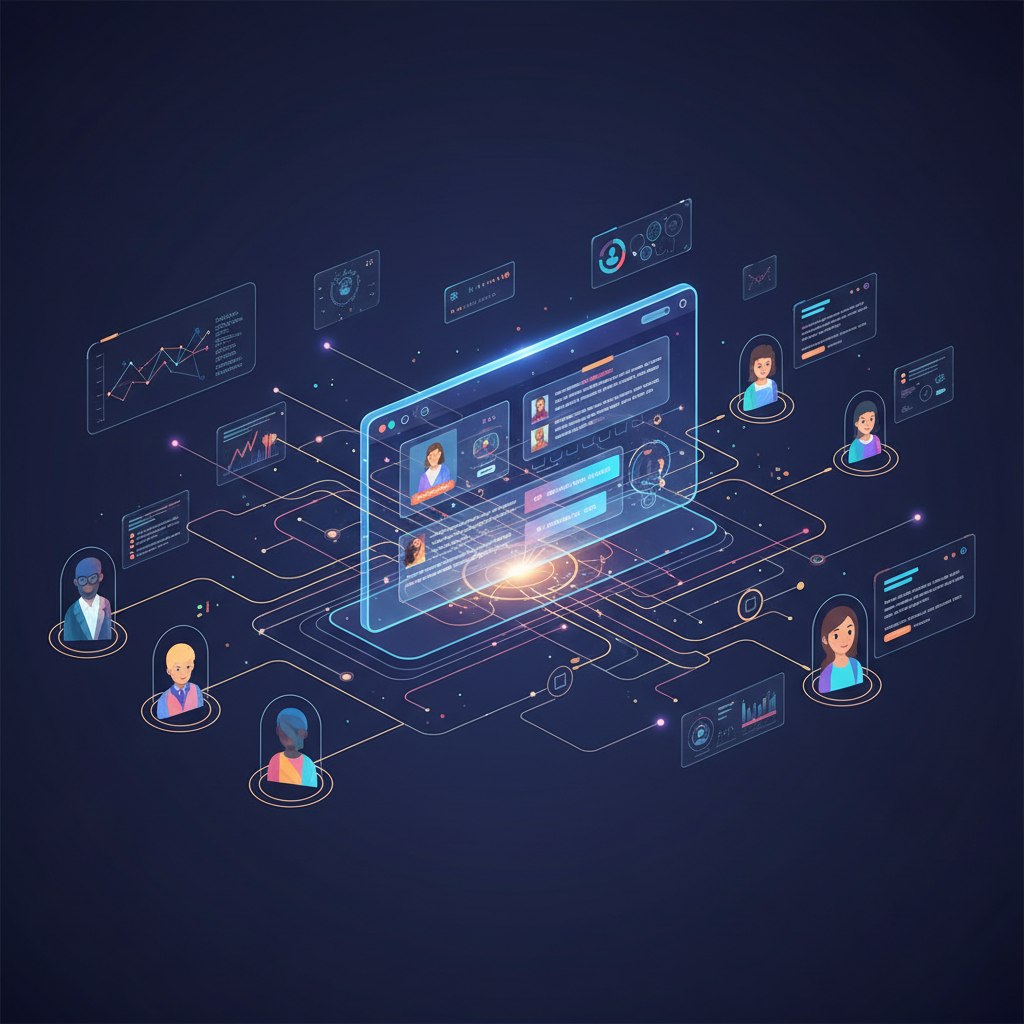
Hyper-personalization takes personalized marketing further by leveraging real-time data, behavioral insights, and AI-driven technology to deliver experiences tailored to each customer’s unique journey.
This approach ensures:
-
The right message reaches the right customer
-
Content is delivered at the optimal moment
-
Communication happens through the preferred channel
-
Offers align with individual intent and behavior
Industry leaders like Amazon and Netflix have set the benchmark, but hyper-personalization is no longer exclusive to enterprise brands. Small and mid-sized businesses can now implement scalable, bespoke customer experiences using the right tools and strategies.
Core Pillars of Hyper-Personalization and Customer Experience (CX)
1. Unified Customer Data and Behavioral Insights
Effective hyper-personalization begins with unified customer data. Businesses must consolidate information from websites, email campaigns, social media, e-commerce platforms, and customer service interactions into a single customer view.
This unified approach enables:
-
Accurate customer journey mapping
-
Real-time behavioral targeting
-
Consistent experiences across channels
Customer Data Platforms (CDPs) play a key role by transforming fragmented data into actionable insights that support personalized marketing at scale.
2. AI-Driven Personalization and Marketing Automation
Artificial Intelligence (AI) and machine learning allow businesses to scale personalization efficiently. These technologies analyze vast datasets, predict customer behavior, and automate personalized content delivery.
When integrated with CRMs and marketing automation platforms, AI-driven personalization improves:
-
Engagement rates
-
Conversion optimization
-
Customer retention
Automation ensures that personalized experiences are timely, relevant, and operationally sustainable.
3. Dynamic Content and Bespoke Customer Experiences
Generic content leads to disengagement. Hyper-personalization requires dynamic content that adapts based on user behavior, preferences, and context.
Examples include:
-
Personalized website experiences
-
Product recommendations based on browsing and purchase history
-
Targeted email messaging aligned with customer intent
-
Loyalty-driven offers and incentives
Bespoke customer experiences increase relevance, build trust, and drive stronger marketing performance.
4. Omnichannel Customer Experience Integration
Customers interact with brands across multiple channels – websites, email, social media, mobile apps, and customer support.
A strong customer experience strategy ensures:
-
Seamless transitions between channels
-
Consistent messaging and brand voice
-
Context-aware interactions at every touchpoint
Omnichannel integration reduces friction, enhances satisfaction, and strengthens brand perception.
5. Continuous Optimization and Performance Measurement
Hyper-personalization is an ongoing process. Businesses must continuously test, measure, and refine their strategies.
Key optimization methods include:
-
A/B testing personalized content
-
Monitoring engagement and conversion metrics
-
Collecting direct customer feedback
-
Refining customer journey touchpoints
Continuous optimization ensures that personalization efforts remain effective as customer expectations evolve.
Hyper-Personalization Example for Small and Mid-Sized Businesses
Consider an e-commerce business implementing hyper-personalized marketing.
A returning customer revisits the website after viewing specific products. Instead of generic promotions, they see personalized recommendations, tailored messaging, and loyalty-based incentives. Follow-up emails provide relevant content and reminders aligned with their browsing behavior.
This seamless, personalized customer journey improves engagement while increasing conversion rates – without overwhelming the customer.
Business Benefits of Hyper-Personalization and Enhanced CX
Implementing hyper-personalization delivers measurable business results:
-
Higher conversion rates through targeted messaging
-
Increased customer lifetime value (LTV)
-
Improved brand loyalty and trust
-
Reduced marketing spend through precision targeting
-
Competitive differentiation in saturated markets
Personalized customer experiences directly influence revenue growth and customer retention.
Overcoming Challenges in Hyper-Personalization Strategy
Common challenges include data silos, privacy regulations (such as GDPR and CCPA), and the perceived complexity of implementation.
Businesses can overcome these barriers by:
-
Starting with high-impact customer journeys
-
Investing in scalable personalization tools
-
Prioritizing data transparency and compliance
-
Building a customer-centric marketing culture
A phased, strategic approach allows personalization efforts to scale sustainably.
Hyper-Personalization Strategy: Your Next Step
The future of digital marketing belongs to businesses that prioritize hyper-personalization and customer experience at scale.
At Seaside Digital Marketing, we help small and mid-sized businesses transform customer data into actionable insights, optimize personalized marketing strategies, and create seamless customer journeys that drive measurable growth.