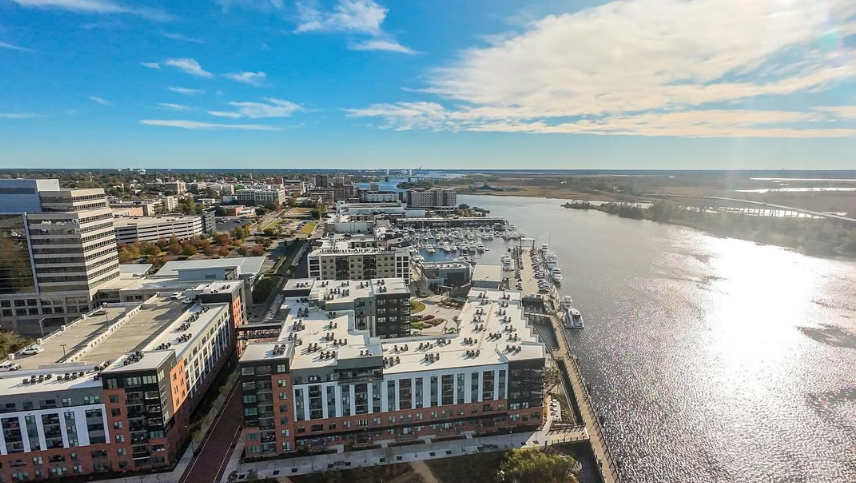
Wilmington, North Carolina, is a city defined by possibility. With its appealing coastal lifestyle, rapidly growing population, and vibrant mix of industries – from film and tourism to healthcare, logistics, and manufacturing – the Cape Fear region has emerged as one of the most desirable places to live and build a business in the Southeast. Yet with growth comes complexity, and in 2025, Wilmington’s economic landscape faces intertwined challenges that affect businesses of all sizes.
Workforce shortages, housing affordability pressures, and rising operating costs are among the most significant factors reshaping how local businesses recruit, operate, and compete. Meanwhile, uncertainties surrounding trade policies and infrastructure demands add additional layers of difficulty, especially for companies connected to the vital Port of Wilmington.
For business owners, entrepreneurs, and service providers in Wilmington, understanding these challenges is the crucial first step. The next – and most important – is developing strategic approaches that allow your business not just to adapt, but to achieve sustainable growth.
This article explores two of the most pressing issues – talent shortages and housing affordability – and examines how businesses in Wilmington and similar regions can navigate these challenges in today’s competitive environment.
The Workforce Challenge: A Talent Shortage That Slows Growth
Many business owners cite one concern above all others: finding and retaining qualified workers, especially in industries like healthcare, skilled trades, logistics, and manufacturing. Even as more people relocate to the region, businesses often struggle to find ready, skilled talent.
Why Talent Gaps Exist
Several factors contribute to this ongoing challenge:
-
Rapid Population and Business Growth: Fast growth can outpace the local labor pool’s ability to supply specialized skills.
-
Skills Mismatches: There is a noticeable gap between available skills and industry demand, particularly in trades, technical fields, and healthcare sectors essential to the local economy.
-
Intense Competition: Businesses frequently compete for talent, with larger employers often offering higher wages and more comprehensive benefits.
-
Housing Costs: Rising housing costs push potential workers farther from job centers, making commutes challenging or undesirable.
Even when economic momentum is strong, a business can only grow as fast as it can hire. Labor shortages slow production, reduce service capacity, and ultimately weaken long-term growth strategies.
How Businesses Can Respond
While workforce development programs from regional partners – such as the Chamber of Commerce’s talent initiatives and local apprenticeship expansions – provide strong support, individual businesses also need actionable strategies they can implement immediately.
Here are a few effective approaches:
-
Strengthen Your Employer Brand:
Prospective employees evaluate companies long before applying. Businesses that build a strong online presence – showcasing culture, community involvement, and workplace values – stand out. A well-designed website, consistent messaging, and authentic storytelling help attract job seekers who are comparing opportunities. -
Leverage Digital Tools to Improve Efficiency:
When hiring is slow, operational efficiency becomes essential. Automations, online scheduling, customer portals, CRM tools, and targeted digital strategies allow businesses to operate effectively even with smaller teams. Optimizing processes through digital tools is no longer optional – it’s a competitive advantage. -
Show a Commitment to Local Workforce Development:
Today’s talent pool values employers who invest in their community. Participation in business associations, education partnerships, job fairs, and mentorship programs signals that your business is committed to the region’s long-term success.
Housing Affordability: A Barrier to Talent and Business Stability
As Wilmington’s popularity increases, housing supply has struggled to keep pace with demand. Rising home prices and rental rates present a serious challenge for workers, many of whom find themselves priced out of living near their jobs.
Why Housing Affordability Matters to Local Businesses
When employees cannot afford to live near work, the impacts are widespread:
-
Longer Commute Times, which reduce productivity and quality of life.
-
Higher Turnover Rates, driven by financial pressures and dissatisfaction with living situations.
-
Limited Availability of Entry-Level Workers, straining service-oriented industries.
-
A Reduced Local Labor Pool, which lowers competitiveness for growing sectors.
Even businesses with strong workplace cultures feel the strain when employees face financial burdens unrelated to their job.
How Businesses Can Adapt
Although individual businesses cannot influence real estate prices, they can take steps to reduce the impact on their workforce:
-
Offer Flexible Work Options:
Hybrid schedules, remote days, or flexible hours help employees who live farther away. While not every industry can support remote work, offering flexibility broadens your potential hiring radius. -
Highlight Your Region’s Value in Recruiting:
People will relocate for the right opportunity – especially when they understand a region’s lifestyle appeal. Businesses can strengthen digital recruitment with:-
relocation-friendly messaging
-
lifestyle-focused visuals showcasing the benefits of living in Wilmington
-
community involvement highlights
-
employee spotlight stories
Digital recruitment isn’t just about job postings – it’s about showcasing the full experience of working and living in your city.
-
-
Improve Retention With Strong Communication:
When employees feel connected, valued, and informed, they are more likely to stay. Using digital communication tools, social media, and internal messaging systems builds alignment and reduces turnover.
How Digital Marketing Helps Businesses Compete in a Challenging Environment
Whether the challenge is attracting talent, increasing visibility, or improving operational efficiency, a strong digital presence matters more than ever. Digital marketing is no longer just an advertising channel – it’s an essential component of business resilience.
What Local Businesses Need Most Right Now
In a market defined by rising costs and increased competition, companies need:
-
Clear Messaging that differentiates them in the local market.
-
A Robust Online Presence that appeals to customers and potential employees.
-
Efficient Digital Systems to save time and reduce operational strain.
-
Effective Marketing Strategies that attract clients and talent without requiring extensive resources.
How Digital Marketing Partners Support Local Businesses
This is where digital marketing partners like Seaside Digital Marketing, right here in Wilmington, NC, provide meaningful support. A strong marketing partner helps businesses:
-
build compelling brands that attract both clients and top talent
-
streamline processes with digital tools tailored to local needs
-
tell their story in a way that resonates with the community
-
reach new audiences despite rising competition
-
position themselves as employers of choice within the regional talent pool
When businesses face structural challenges like workforce shortages and housing affordability, they need strategies that increase visibility, strengthen reputation, and help them operate smarter.
Building Stronger Cities – Together
Wilmington’s challenges are real – but so is the region’s immense potential. With strategic talent development, strong communication, and robust digital infrastructure, local businesses can continue to grow and thrive even in a competitive environment.
The future of Wilmington -and cities like it – will be shaped by organizations that adapt, collaborate, and innovate. At Seaside Digital Marketing, we’re committed to helping our local business community succeed every step of the way.
Give us a call to build a strategic plan for your business.